Soot Damage Cleanup in Austin, TX
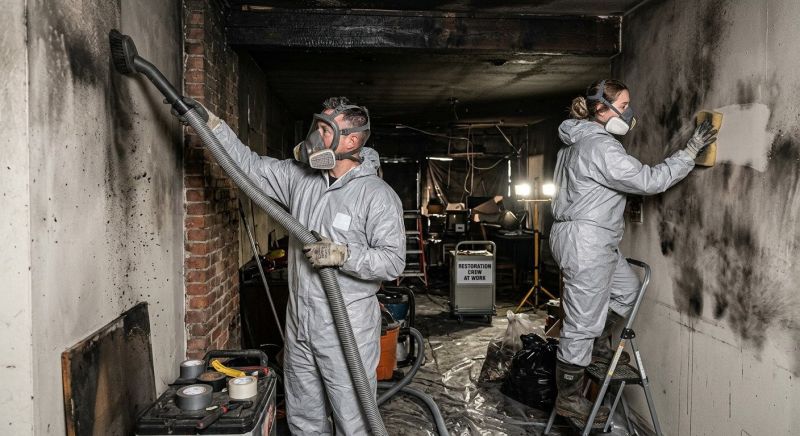
Soot damage cleanup services focus on restoring properties affected by soot residues resulting from fires, smoke, or other combustion-related incidents. These services typically cover a range of projects, including residential homes, commercial buildings, and appliances impacted by soot deposits. Property owners usually want to understand the extent of soot contamination, the cleaning process involved, and how it can improve indoor air quality and overall cleanliness after a fire or smoke event.
Before requesting soot damage cleanup, homeowners should consider the severity of the soot buildup, the materials affected, and any specific concerns about lingering odors or potential health effects. It’s important to identify whether the soot contamination is confined to certain areas or widespread, as this can influence the scope of cleanup needed. Clear communication about the property’s condition and the desired outcomes can help ensure the cleanup process effectively restores the space.
Many property owners in Austin, TX look into Soot Damage Cleanup for repairs, replacements, upgrades, and appearance-related improvements.
Understanding Soot Damage
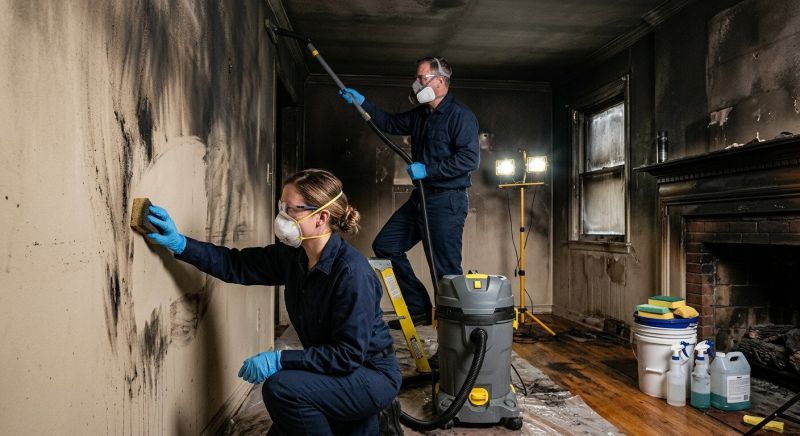
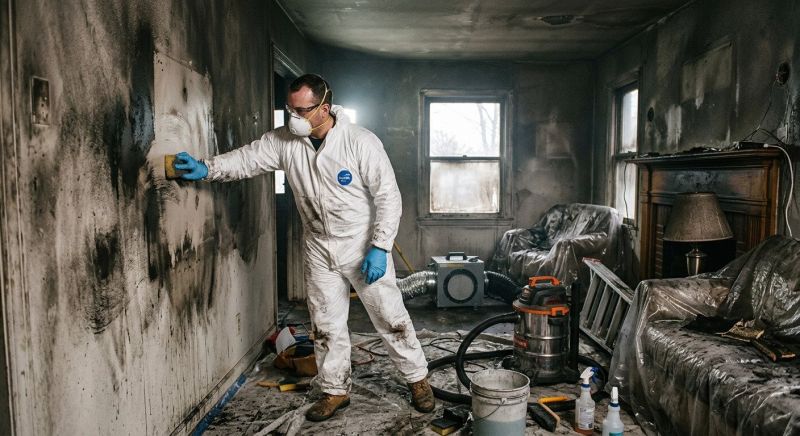
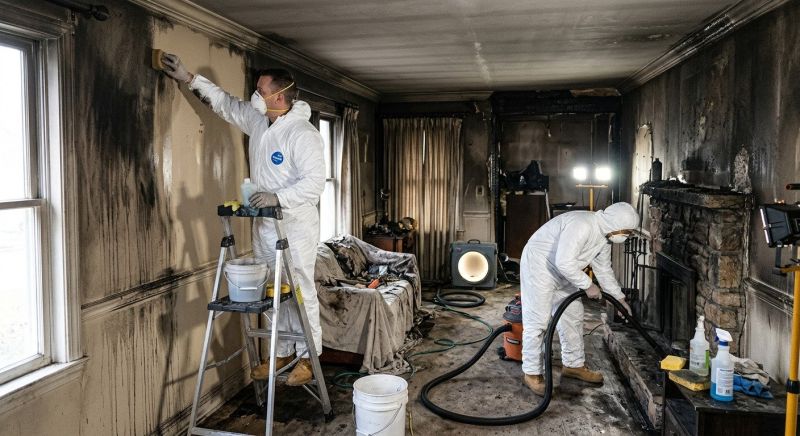
Soot residue from fires can settle on walls, ceilings, and other surfaces, affecting indoor air quality and appearance.
Cleaning And Restoration
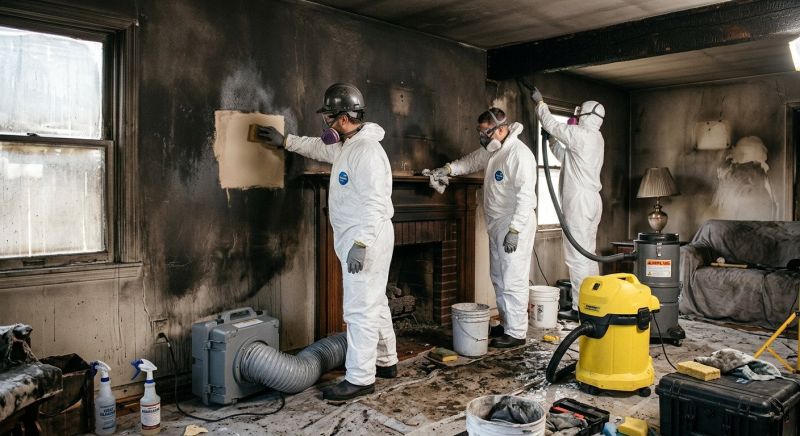
Effective soot cleanup involves specialized techniques to remove residues and restore the property's original condition.
Preventing Future Damage
Proper cleanup and fire safety measures help protect austin homes and businesses from ongoing soot-related issues.
Soot Damage Cleanup in Austin, TX
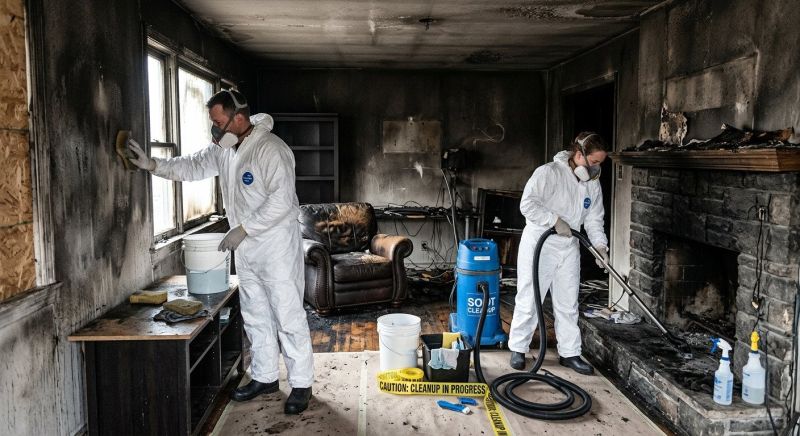
Soot damage cleanup services focus on restoring properties affected by soot residues resulting from fires, smoke, or other combustion-related incidents. These services typically cover a range of projects, including residential homes, commercial buildings, and appliances impacted by soot deposits. Property owners usually want to understand the extent of soot contamination, the cleaning process involved, and how it can improve indoor air quality and overall cleanliness after a fire or smoke event.
Before requesting soot damage cleanup, homeowners should consider the severity of the soot buildup, the materials affected, and any specific concerns about lingering odors or potential health effects. It’s important to identify whether the soot contamination is confined to certain areas or widespread, as this can influence the scope of cleanup needed. Clear communication about the property’s condition and the desired outcomes can help ensure the cleanup process effectively restores the space.
Many property owners in Austin, TX look into Soot Damage Cleanup for repairs, replacements, upgrades, and appearance-related improvements.
Common Soot Damage Cleanup Jobs
Soot Damage Cleanup - Restores indoor air quality and removes soot residues from surfaces.
Fire Damage Restoration - Addresses soot and smoke damage caused by residential or commercial fires.
Smoke Odor Removal - Eliminates lingering odors from soot and smoke particles in the property.
Surface Cleaning - Cleans soot stains from walls, ceilings, and other affected surfaces.
Vent and Duct Cleaning - Clears soot buildup from HVAC systems to improve air circulation.
Structural Cleaning - Ensures soot is safely removed from structural elements for safety and appearance.
Soot Damage Cleanup Questions
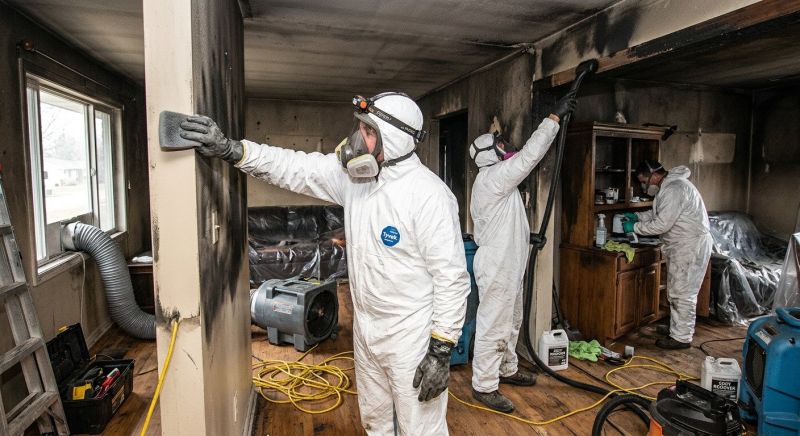
What causes soot damage in properties? Soot damage typically results from fires or combustion-related incidents, leaving residues on surfaces and in air ducts.
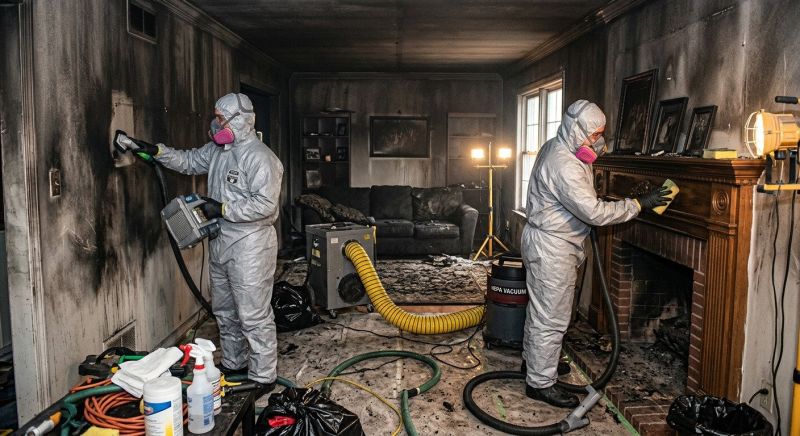
What surfaces can be cleaned of soot residue? Soot can affect walls, ceilings, furniture, HVAC systems, and other surfaces exposed to smoke and heat.
Is soot cleanup necessary after a fire? Yes, removing soot is essential to restore air quality, prevent staining, and protect surfaces from further damage.
What are common signs of soot damage? Dark stains, persistent odors, and soot particles on surfaces are indicators that cleanup may be needed.
Request Soot Damage Cleanup in Austin, TX
Use the quote form on this page to share the basics of your project and request more information for the type of work you need.